 Change Region
Ensure Safety, Quality, and Compliance Across Australia and Global Meat Supply Chains
Mérieux NutriSciences AQ provides DAFF and NATA-accredited testing for fresh meat, processed smallgoods, poultry, and ready-to-eat meat products, helping producers, processors, and exporters adhere strictly to the Australia New Zealand Food Standards Code and Global import requirements.
Our accredited Australian laboratories deliver specialised microbiological, chemical, and nutritional profiling to ensure your meat formulations meet mandatory FSANZ standards, uphold export compliance, and safeguard brand integrity across domestic and global markets.

Navigating Safety and Compliance in Australian Meat Production
Meat processors, smallgoods manufacturers, and exporters across Australia must navigate complex safety, quality, and regulatory challenges simultaneously. Microbiological hazards like Salmonella, Listeria and STEC, species authenticity, chemical residues, heavy metals, allergens, and packaging integrity can all compromise finished product quality. Reliable analytical testing empowers local producers and exporters to verify operational controls, confirm precise nutritional profiles against FSANZ standards, and make confident, compliant product-release decisions for domestic and export markets.
To help manage these risks, we focus on six critical areas across the meat production lifecycle
Contaminants & Residues
Chemical hazards and unwanted residues
Manufacturing Environment
Hygiene and contamination control
Product Stability
Safety and quality throughout shelf life
Microbiological Safety
Pathogens and hygiene indicators
Nutritional Accuracy
Macro- and micronutrient composition
Allergen Analysis
Detection of common allergens in specialised food
Meeting Strict Australian Regulatory Standards for Meat and Meat Products
Meat and meat products receive rigorous regulatory oversight across Australia. Under Food Standards Australia New Zealand (FSANZ) regulations and export/import conditions set by the Department of Agriculture, Fisheries and Forestry (DAFF), meat processors and exporters must be supported by documentary proof that products originate from accredited facilities regulated by approved authorities, alongside official health certification confirming adequate processing controls such as thermal treatment, chilling, and hygienic slaughter practices.
Australian meat processors, smallgoods manufacturers, and importers are also required to provide verified laboratory test reports to demonstrate ongoing product safety, hygiene, and pathogen control. Packaged meat products and ready-to-eat meals are subject to mandatory Nutritional Information Panel (NIP) requirements under FSANZ Standard 1.2.8, including strict declarations for energy, protein, total and saturated fat, carbohydrates, sodium, and any specific nutrients supporting mandatory or health-related claims.
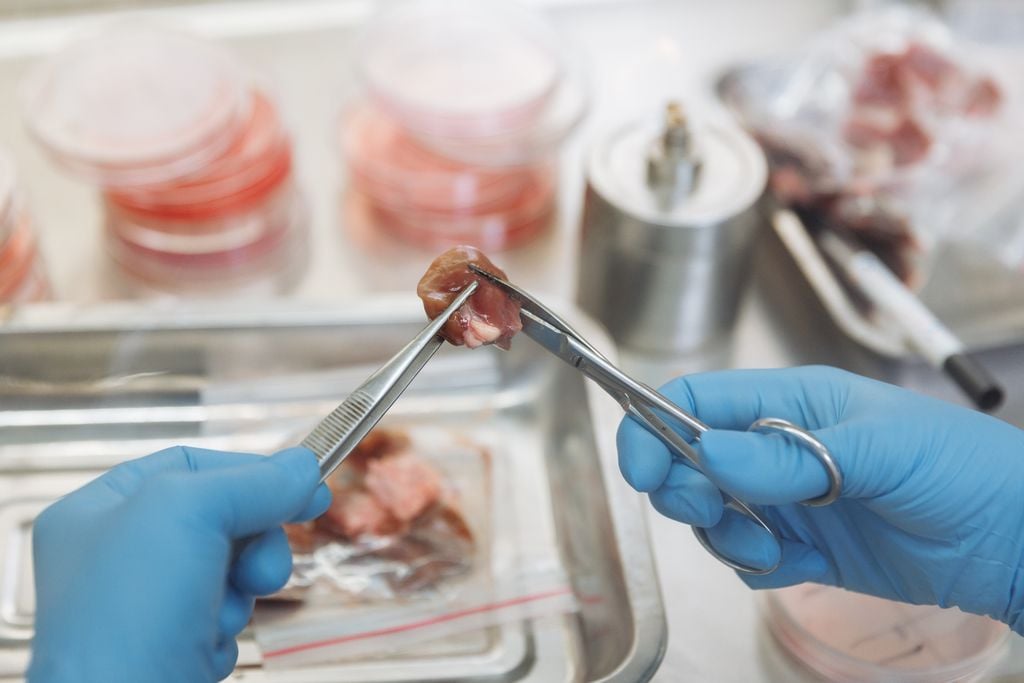
Laboratory Testing
Generate analytical data for relevant microbiological, nutritional and chemical parameters.
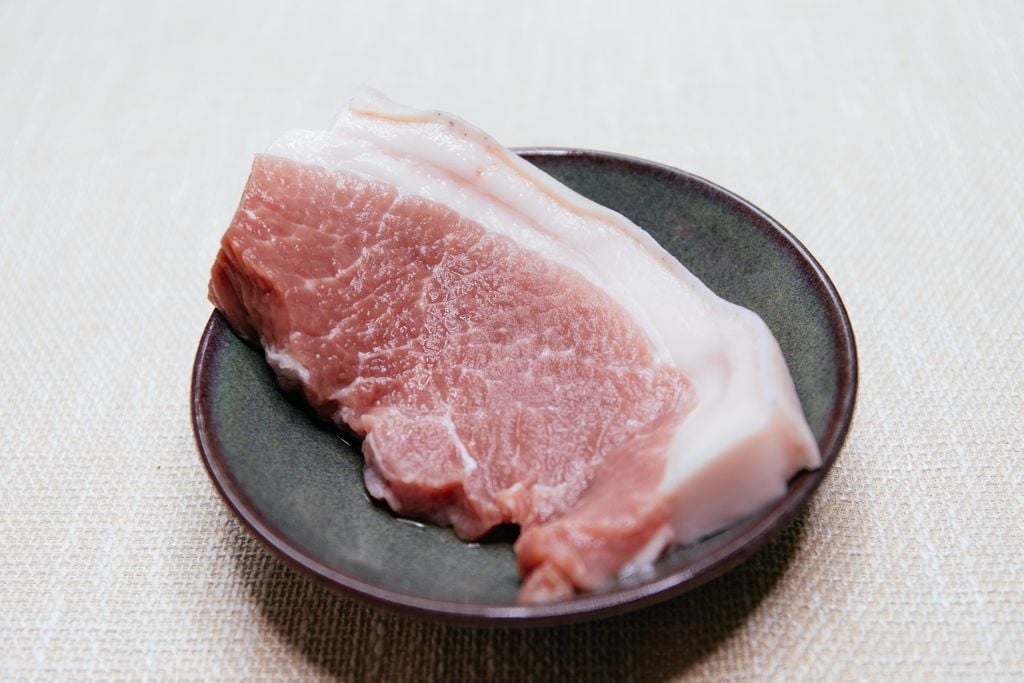
Safety Testing
Assess relevant microorganisms, contaminants and residues.
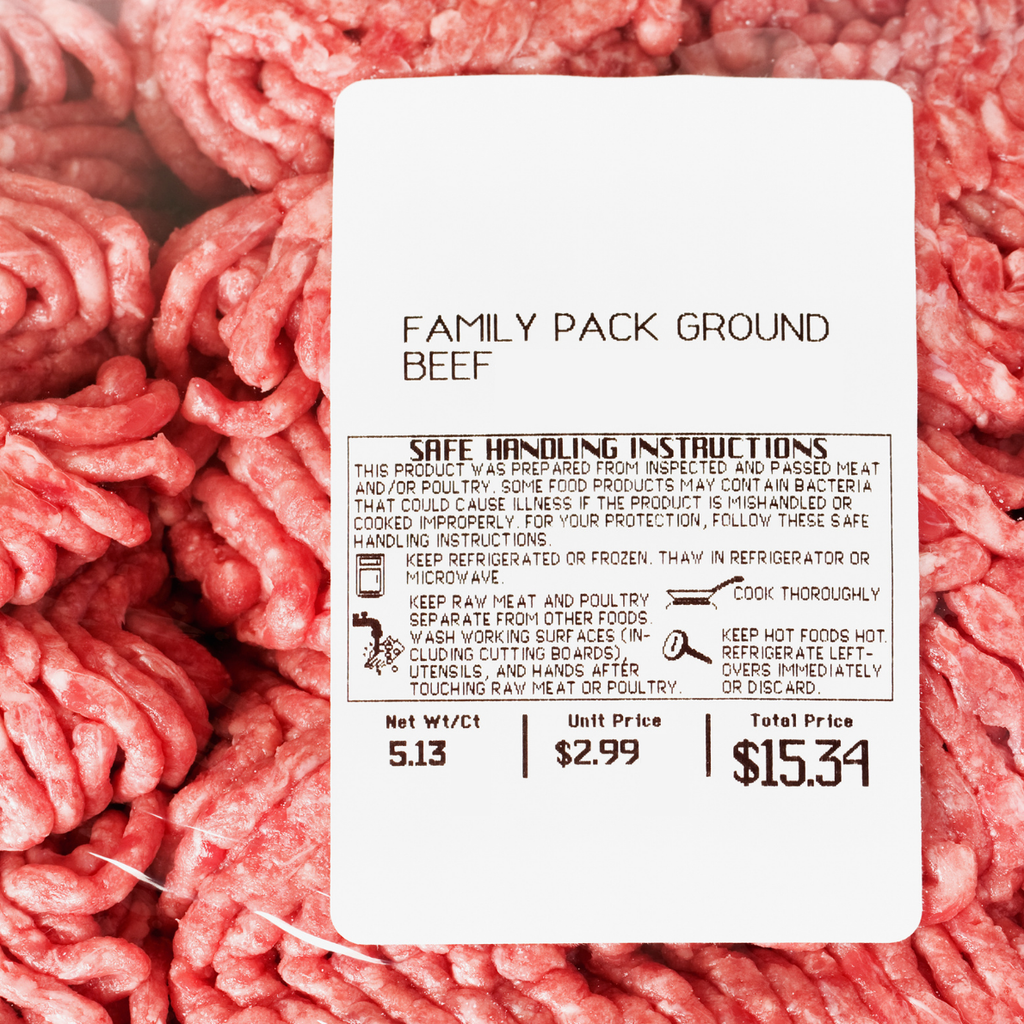
Nutritional Verification
Analyse macro- and micronutrients against your product requirements.
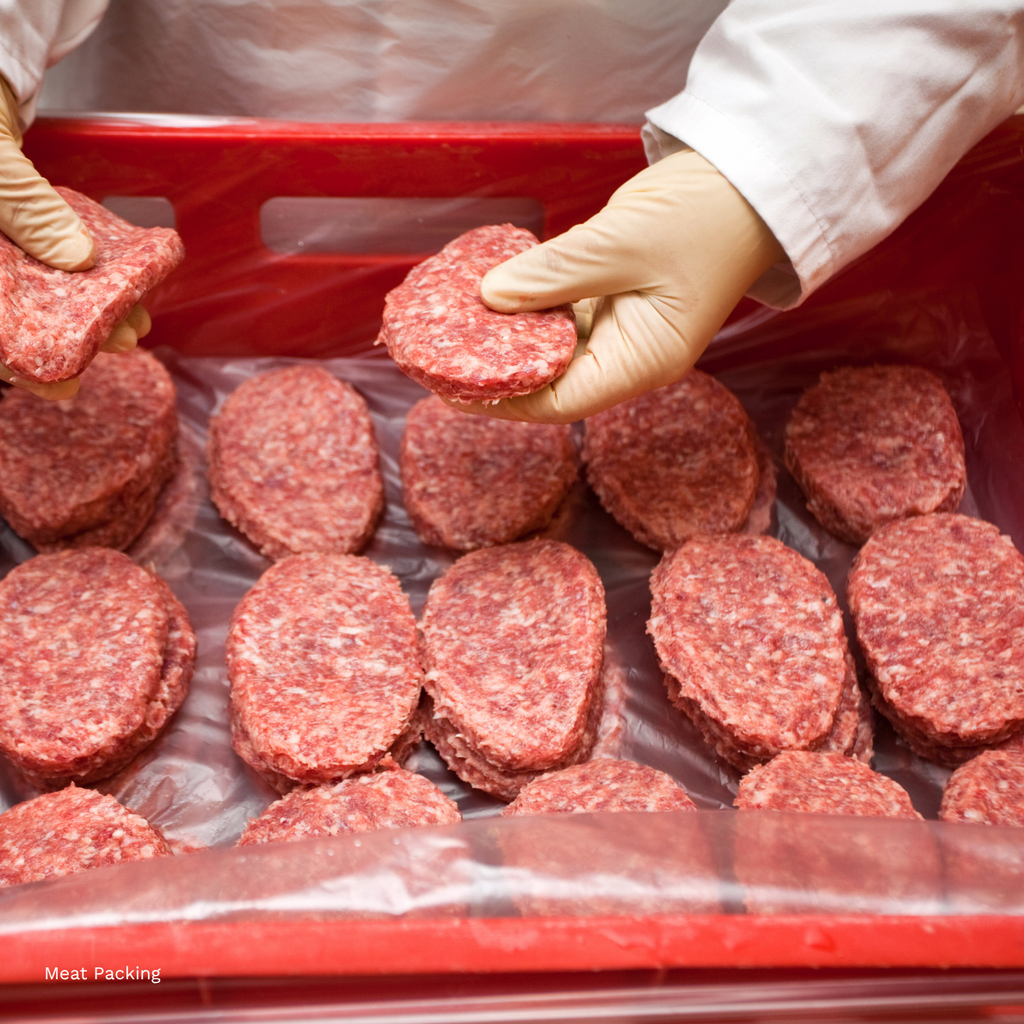
Ongoing Quality Control
Build recurring testing programs appropriate to your products and supply chain.
Key Services
Our Commitment to Excellence: ISO/IEC 17025 Accredited
Backed by globally recognised ISO/IEC 17025 laboratory accreditations, Mérieux NutriSciences AQ delivers precise, reliable, and compliant analytical testing. We provide the scientific expertise necessary to navigate complex food safety regulations, mitigate operational risks, and safeguard your brand’s reputation in Australia and beyond.
Get in touch with our team today to find out more about our services and solutions for the meat and meat products value chain.