 Change Region

Climate Change: Australia’s Food Safety Risk Amplifier
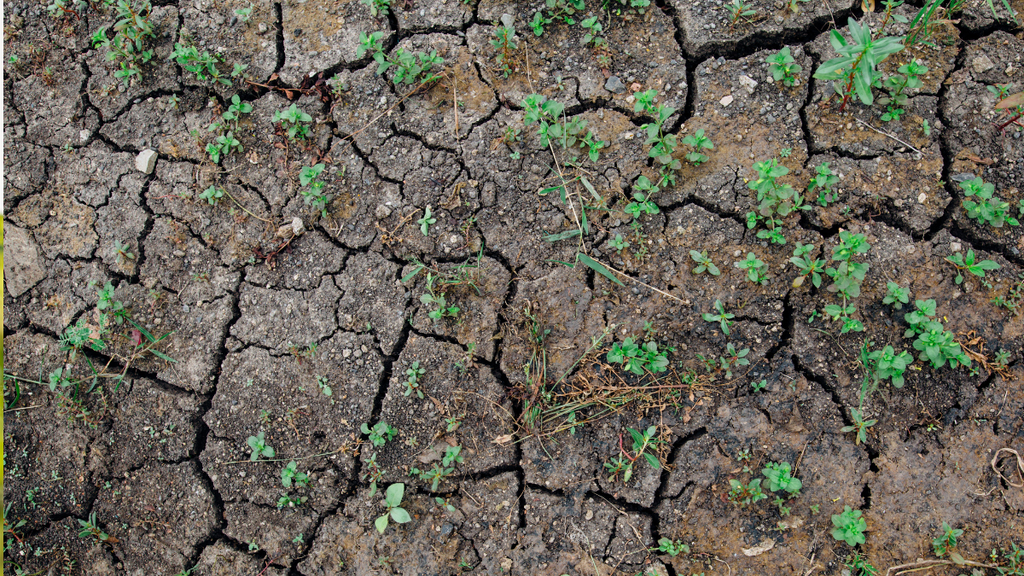
When Australians think of climate change, they picture bushfires, severe droughts, localized flooding, and record-breaking heatwaves. While the impact on agricultural yields and land management is widely recognised, another critical threat is mounting behind the scenes: climate change is actively reshaping food safety risks across the Australian food supply chain.
Rising temperatures, unpredictable rainfall patterns, marine warming, and volatile extreme weather events are introducing new contamination pathways and altering the behaviour of traditional foodborne hazards. For Australian food manufacturers, growers, processors, and importers, managing climate-driven risks is no longer just an environmental goal; it is a core food safety and compliance imperative under the Australia New Zealand Food Standards Code (FSANZ).
Rising Temperatures: A Catalyst for Foodborne Hazards
Rising ambient temperatures directly accelerate biological growth rates and expand the geographic reach of major pathogens across Australia’s agricultural regions.
- Pathogen Proliferation & Cold-Chain Stress: Higher temperatures speed up the growth of Salmonella, Campylobacter, Escherichia coli, and Listeria monocytogenes. Prolonged heatwaves place severe operational stress on cold-chain transport, refrigeration systems, and processing facilities. Brief temperature spikes during storage or distribution can lead to rapid bacterial growth, reducing shelf life and driving up food safety risks.
- Proliferation of Toxic Fungi & Mycotoxins: Temperature shifts and humidity spikes increase crop vulnerability to toxic fungal infections. Grains, corn, wheat, tree nuts, peanuts, and animal feed are facing heightened contamination risks from mycotoxins, including Aflatoxins, Deoxynivalenol (DON), Ochratoxin A, and Fumonisins. Fungal populations are migrating into southern growing regions previously classified as low-risk.
- Ocean Warming & Marine Biotoxins: Marine ecosystems surrounding Australia are experiencing rising sea surface temperatures and shifting pH levels. These conditions fuel Harmful Algal Blooms (HABs) that produce potent marine biotoxins (such as Ciguatoxins and Amnesic Shellfish Poisons). As these biotoxins accumulate in seafood and commercial shellfish, robust monitoring becomes vital to prevent severe food poisoning incidents.
Extreme Weather Events: Unlocking New Contamination Pathways
Australia’s climate profile is defined by weather extremes, with intense flooding, prolonged droughts, and severe storm events creating systemic vulnerabilities for food producers.
Flooding & Agricultural Runoff
Heavy downpours and floodwaters transport untreated sewage, industrial pollutants, heavy metals, and agricultural runoff into crop soils, irrigation networks, and coastal aquaculture zones. Fresh produce consumed raw, alongside bivalve shellfish beds, faces elevated exposure to human enteric pathogens such as Norovirus, Hepatitis A, and pathogenic E. coli.
Water Scarcity & Irrigation Quality
Drought restricts access to clean water for crop irrigation, stock watering, equipment sanitation, and facility hygiene. When primary water reserves dwindle, agricultural operators may be forced to rely on lower-quality alternative water sources, introducing microbiological and chemical hazards directly onto raw commodities.
Chemical Risks & Changing Agricultural Inputs
Climate-induced pressures are also altering the chemical composition and contaminant profile of Australian raw materials:
- Increased Chemical & Pesticide Reliance: Emerging pest pressures, invasive weeds, and crop diseases driven by shifting climate zones prompt growers to adjust crop protection strategies. If unmonitored, changing spray regimes risk Maximum Residue Limit (MRL) non-compliance on domestic and export markets.
- Bioaccumulation of Heavy Metals: Soil erosion, flooding, and shifting aquatic chemistry alter the bioavailability of environmental contaminants, including lead, cadmium, arsenic, and mercury. These heavy metals can accumulate in root vegetables, cereal crops, and wild-harvested marine species.
Building Climate Resilience Across the Food Chain
Adapting to climate-driven food safety risks requires shifting from reactive end-product testing to proactive, risk-based intelligence. Australian food businesses can build supply chain resilience through:
- Environmental & Water Quality Monitoring: Routine testing of irrigation, process water, and facility environments to catch microbial ingress early.
- Targeted Raw Material Screening: Implementing risk-based sampling plans for high-vulnerability matrices (e.g., mycotoxin testing in grains/nuts and toxin screening in seafood).
- Cold-Chain & Shelf-Life Validation: Validating product stability and microbial growth limits under real-world temperature abuse scenarios through Food Science Centre challenge studies.
- Supply Chain Traceability & Supplier Audits: Verifying raw material origins, farm-gate agricultural practices, and drying protocols across domestic and international vendors.
Mérieux NutriSciences AQ provides Australian food producers, processors, and brand owners with NATA-accredited analytical testing, rapid pathogen screening, and technical advisory services to navigate climate risks, uphold FSANZ compliance, and protect consumer health.