 Change Region
Accredited Seafood & Aquaculture Testing in Australia: Ensure Safety, FSANZ & Export Compliance
Australia’s aquaculture and wild-catch fisheries play a vital role in meeting growing domestic and global demand for high-quality, nutrient-rich aquatic foods. Recognised for providing essential protein, omega-3 fatty acids, and key micronutrients, seafood operations are central to sustainable agrifood systems. To support market growth and satisfy strict Food Standards Australia New Zealand (FSANZ) regulations alongside Department of Agriculture, Fisheries and Forestry (DAFF) export requirements, robust analytical testing is essential.
Mérieux NutriSciences AQ provides NATA-accredited testing across fresh, frozen, and processed seafood to confirm product safety, verify nutritional profiles, screen for environmental contaminants, and ensure complete market-release compliance.
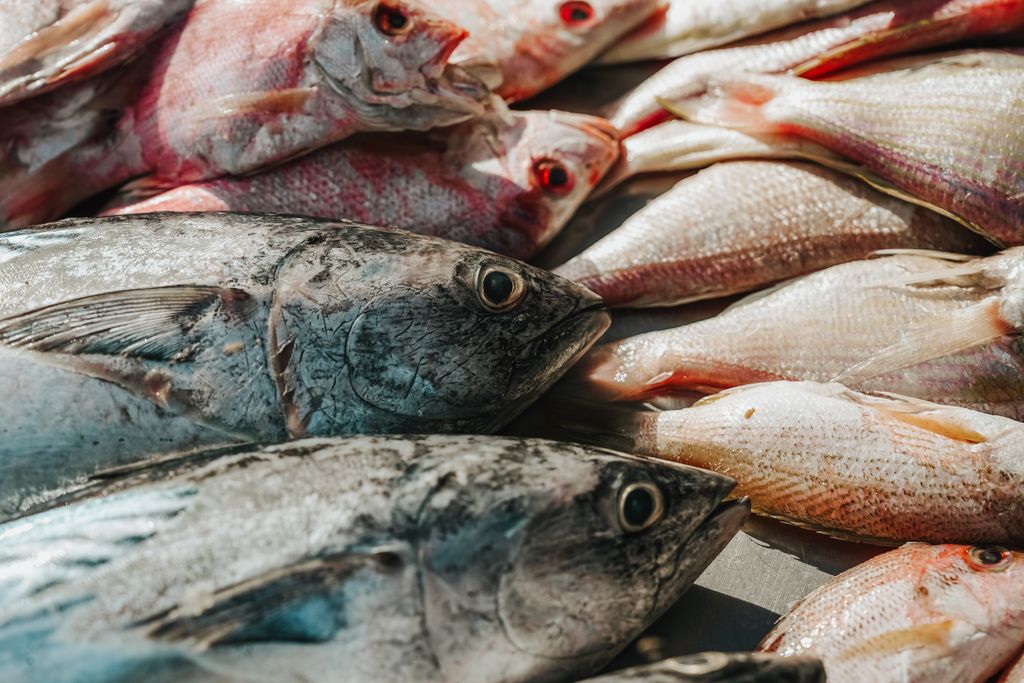
Protecting Quality and Safety Across Australia’s Seafood Supply Chain
From wild-catch fisheries to high-yield aquaculture operations, Australian seafood producers face complex safety and quality challenges at every stage of production. Microbial pathogens, histamine formation, heavy metal accumulation, marine biotoxins, microplastics, chemical residues, and packaging integrity can all compromise product safety and shelf life.
Reliable analytical testing helps Australian seafood processors, aquaculture farms, and importers verify operational controls, confirm precise nutritional profiles against FSANZ standards, manage food safety risks, and make confident product-release decisions for domestic and export markets.
To help manage these risks, we focus on five critical areas across the fish and seafood lifecycle
Contaminants & Residues
Chemical hazards and unwanted residues
Manufacturing Environment
Hygiene and contamination control
Product Stability
Safety and quality throughout shelf life
Microbiological Safety
Pathogens and hygiene indicators
Nutritional Accuracy
Macro- and micronutrient composition
Supporting Fish and Seafood Across Product Categories
From fresh product to canned goods, testing programs need to reflect the specific product matrix, intended consumer and market requirements.

Fresh Products
Whole or pre-cut fresh fish, molluscs and shellfish.

Dried, marinated, salted or smoked fish
Testing to support nutritional composition, safety, quality and market requirements.

Frozen or deep-frozen fish
These seafood products include mainly marine and freshwater fish, shellfish and crustaceans.

Canned fish
Tuna, sardines and mackerel are the main species used in canned fish, either plain, seasoned or incorporated into a cooked dish.

The seafood delicatessen section
The delicatessen products are evolving on the market and constitute a very heterogeneous category that includes fish-based rillettes, tarama, surimi, fresh ready-made meals based on seafood products, etc.

Seaweed
Appreciated for its health benefits (minerals, fibre and more), seaweed is consumed in fresh, dehydrated or processed form (gelling agents, thickeners and more).
Our Fish and Seafood Products Testing Solutions
Australian seafood businesses are required to provide verified laboratory test reports to demonstrate ongoing product safety, hygiene, and environmental contaminant control, including screening for heavy metals, marine biotoxins, and histamine. Packaged and value-added seafood products are also subject to mandatory Nutritional Information Panel (NIP) requirements under FSANZ Standard 1.2.8, including precise declarations for energy, protein, fat, carbohydrates, and specific omega-3 fatty acids to support nutrition or health claims.
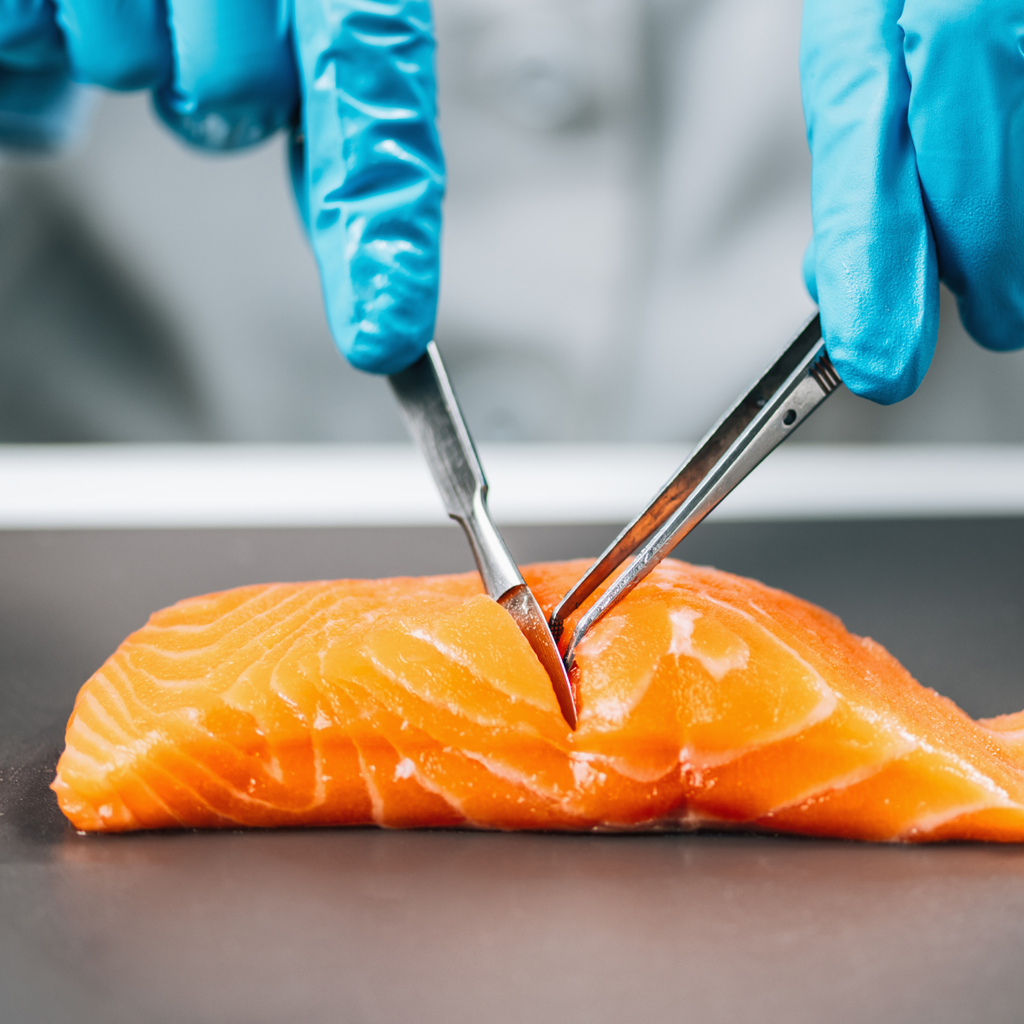
Laboratory Testing
Generate analytical data for relevant microbiological, nutritional and chemical parameters.

Safety Testing
Assess relevant microorganisms, contaminants and residues.
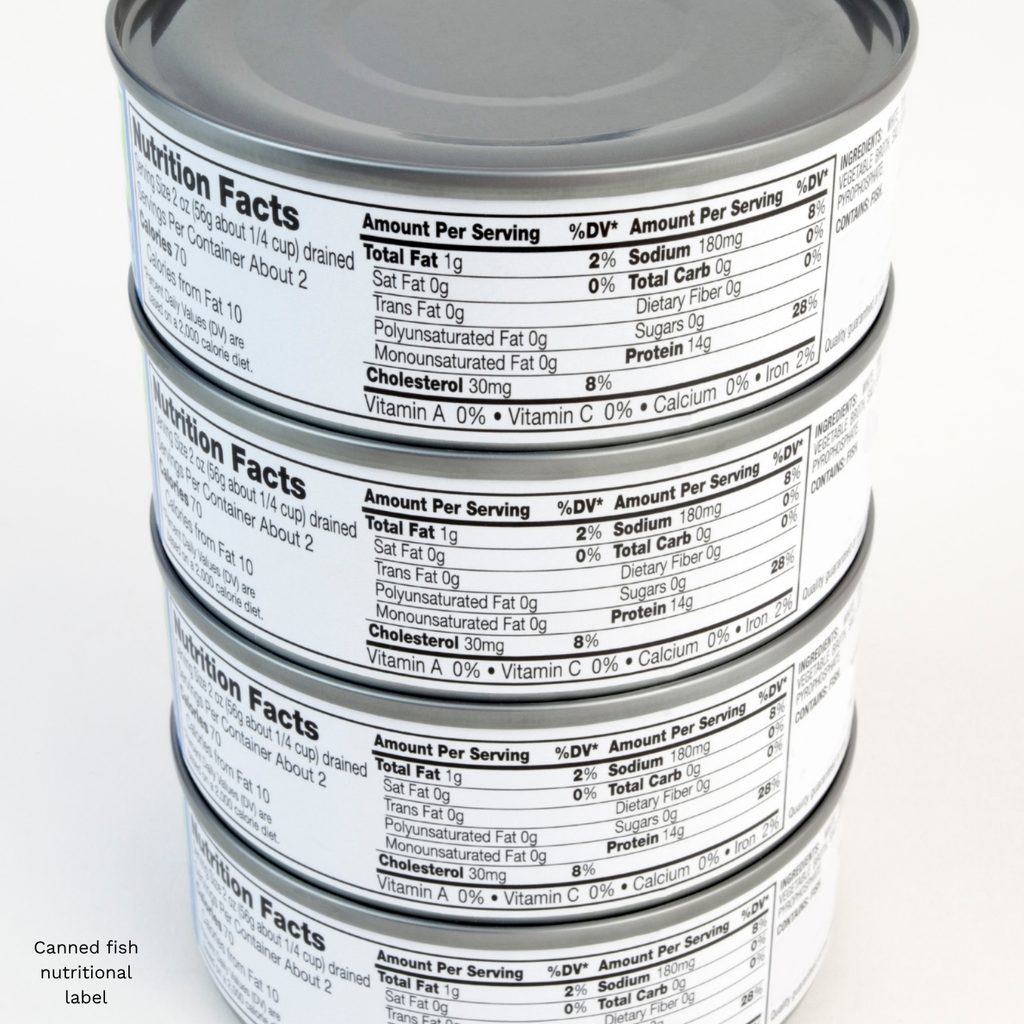
Nutritional Verification
Analyse macro- and micronutrients against your product requirements.
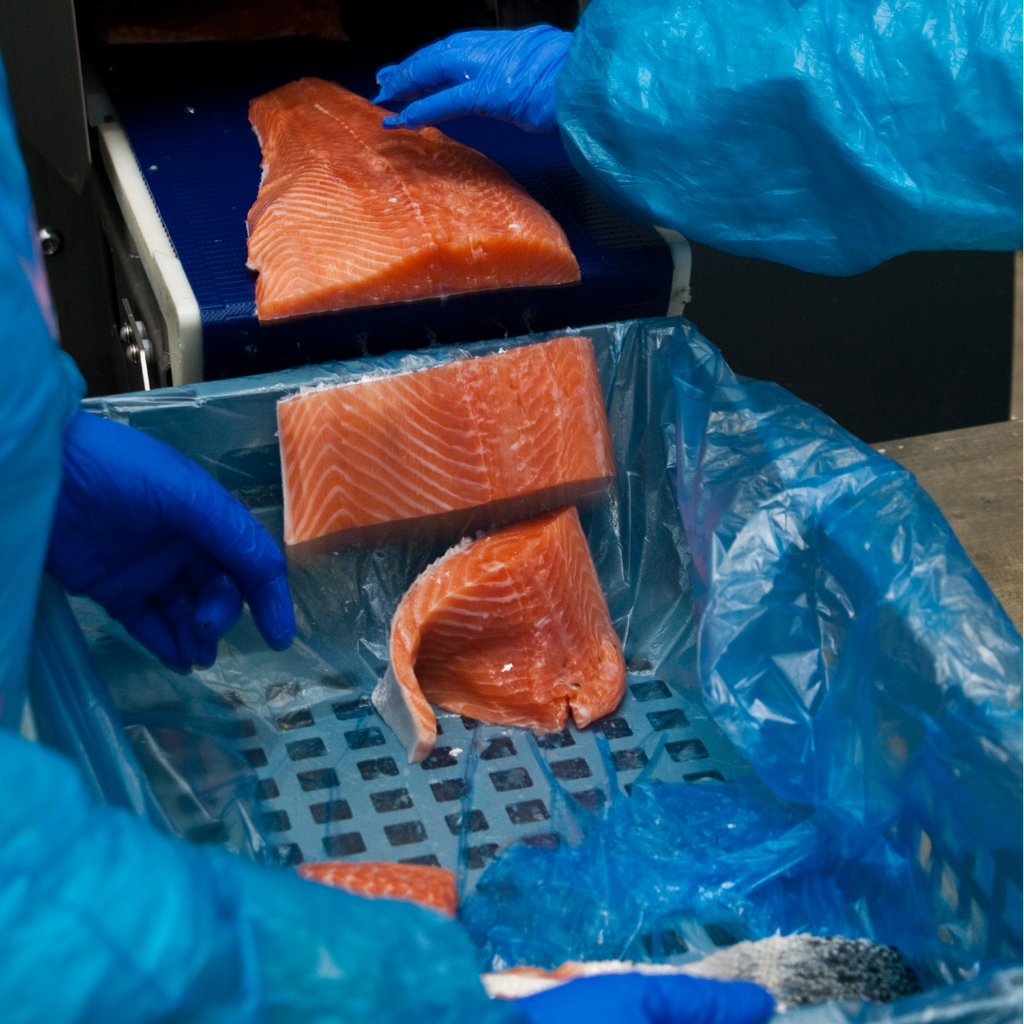
Ongoing Quality Control
Build recurring testing programmes appropriate to your products and supply chain.
Key Services
Our Commitment to Excellence: ISO/IEC 17025 Accredited
Backed by globally recognised ISO/IEC 17025 laboratory accreditations, Mérieux NutriSciences AQ delivers precise, reliable, and compliant analytical testing. We provide the scientific expertise necessary to navigate complex food safety regulations, mitigate operational risks, and safeguard your brand’s reputation in Australia and beyond.
Get in touch with our team today to find out more about our services and solutions for the seafood value chain.